First Responder Counseling
You’ve spent years taking care of others.
You don’t have to explain the job here.
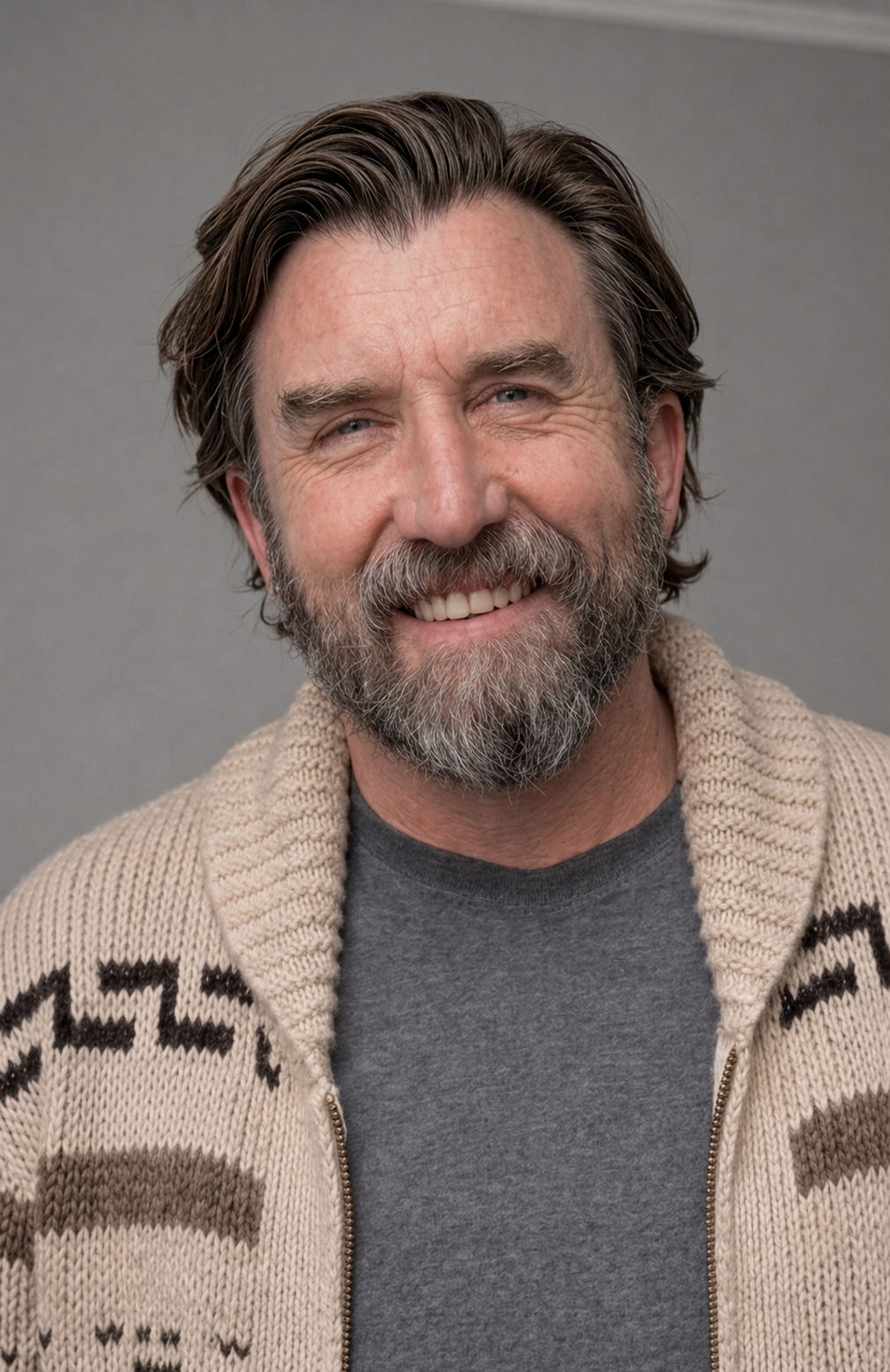
Ross Thomas, LPC
27 Years in Federal Law Enforcement
He Speaks Your Language
Ross Thomas isn't a therapist who learned about first responder work from a textbook. He brings the perspective of a 27 year career in Federal Law Enforcement. He understands the culture because he lived it, not just the highlights, but the cumulative weight and the daily grind of the profession. This firsthand experience allows him to speak the language of his clients without the need for a "translation" of the job's operational stressors.
What that means for you
• Cultural Credibility: You don’t have to explain the dark humor, the hypervigilance, or the bureaucracy.
• Tactical Focus: Ross understands the Operations Environment and high-stakes decision-making.
• No “Textbook” Lectures: He respects the culture and the mission, focusing on how to keep you sharp and effective without pathologizing the job.
In-person sessions in Lincoln, IL
Telehealth available throughout Illinois
If You're Carrying This, You're Not Broken
The skills that make you excellent at your job, being "on," scanning for threats, and compartmentalizing, can become a liability when you can’t turn them off. These aren't character flaws; they are the "static" of a high-stakes career:
• Hypervigilance — scanning for exits at a restaurant or being unable to relax on vacation.
• The “Wall” — feeling like no one outside the job could possibly understand, leading to isolation.
• The Transition — struggling to move from “operational mode” back to being a spouse or a parent.
• The Weight — intrusive images or the cumulative toll of “minor” incidents over decades.
The work you do requires you to hold trauma that most people never see.
Over time, that weight shows up in ways you might not expect. Not just on the shift, but at the kitchen table.
The Goal:
Our Counseling Work Focuses On:
• Managing the "Static": Practical strategies to ensure the job doesn't bleed into your home life.
• Cognitive Sharpening: Treating mental wellness as a skill set that improves your judgment and longevity on the job.
• Showing Up: Helping you show up for your spouse and loved ones as the person you want to be.
Being the Best Version for Your Loved Ones
The hardest part of the job isn't always the shift itself; it’s the walk from the driveway to the front door. Having spent nearly three decades in law enforcement while being married and raising a family, Ross understands that this transition is often the most challenging part of the day. He brings lived experience that allows him to help others find ways to be truly present for the people who matter most.
A Clear, Confidential Path Forward
1. Free 15-Minute Consultation: A brief, no-pressure conversation to see if the fit is right. You’ll talk to Ross directly.
2. A Tactical Plan: No jargon. No theoretical lectures. We identify the operational stressors and build a plan to manage them.
3: Complete Confidentiality: Ross operates independently of any department. Your privacy is protected by Illinois law. Your department is not notified.
Support for the "Home Team"
Ross also works directly with the families and spouses of first responders. Having lived the lifestyle, he understands the unique strain placed on the home front. He offers a dedicated space for partners to address secondary stress, the impact of shift work, and the disconnect that can develop over a long career.
Frequently Asked Questions
Q: Will this hurt my career?
No. Seeking support is an act of professional discipline. Just as you maintain your physical fitness and tactical gear, your cognitive health is arguably the most important piece. Most responders find that "clearing the static" makes them more effective and safer in the field.
---
Q: Are you going to criticize the job?
Absolutely not. Ross respects the profession and the people in it. The goal isn't to critique the culture, but to provide you with the tools to navigate it while keeping your personal life and health intact.
---
Q: How do we start?
The first step is a conversation. Reach out via text or call to set up a time to talk. You've spent your career taking care of everyone else—it's okay to make sure you're taken care of, too.